Samsung vs. Sony vs. LG: Which TV Brand Actually Lasts the Longest in 2026?
Deal Nerd Hub uses affiliate programs. If you snag a deal through our links, we may receive a small commission at no extra cost to you. Thanks for supporting the hunt!

Last Updated on 9 months ago by Deal Nerd Hub Staff
Real-World Lifespan Data for the Three Biggest TV Brands
Buying a TV is basically a long-term relationship. You want it to last, not ghost you after three years. So before you drop $1,000 or more on a new set, here’s what you actually need to know about how long Samsung, Sony, and LG TVs hold up in real life.
The Short Answer: Most modern TVs from all three brands are built to last roughly 7 to 10 years with normal use. But normal use does a lot of heavy lifting in that sentence. Panel type, usage hours, ventilation, and firmware support all play a massive role in longevity.
When you spend on a flagship television, you aren’t just paying for the picture quality. You’re paying for the next decade of entertainment. However, in an era of planned obsolescence and increasingly complex AI processors, the question of longevity has never been more complicated.
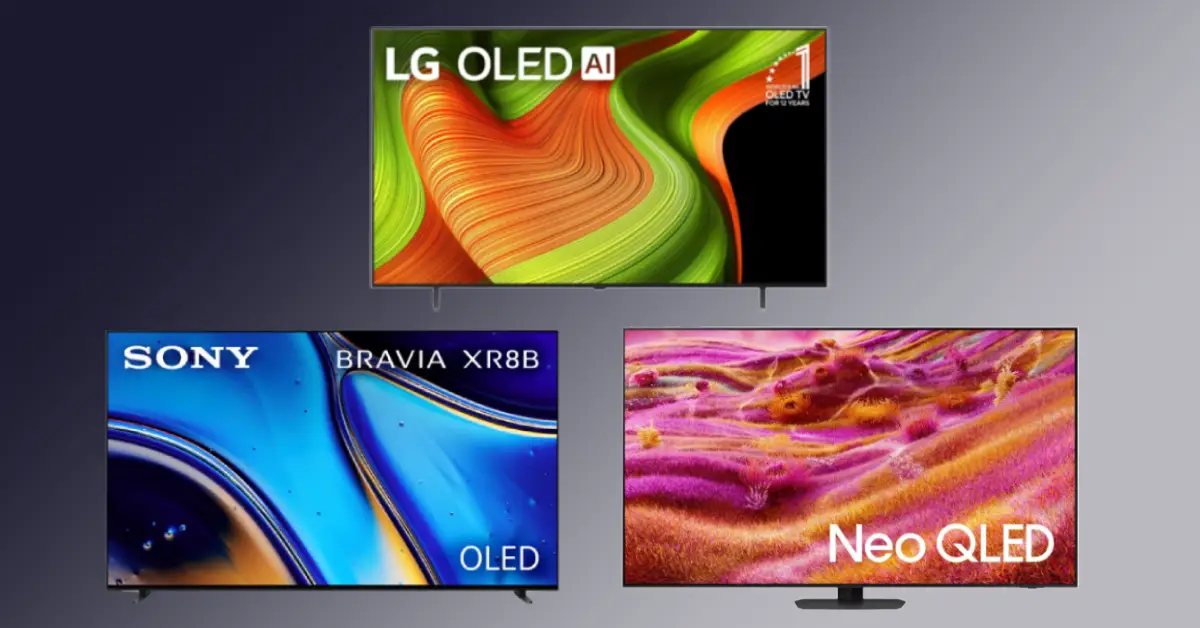
At Deal Nerd Hub, we’ve analyzed failure rates, customer service trends, and independent torture tests to determine which of the Big Three: Samsung, Sony, and LG is truly built to last in 2026.
1. Sony: The Build-Quality Specialist
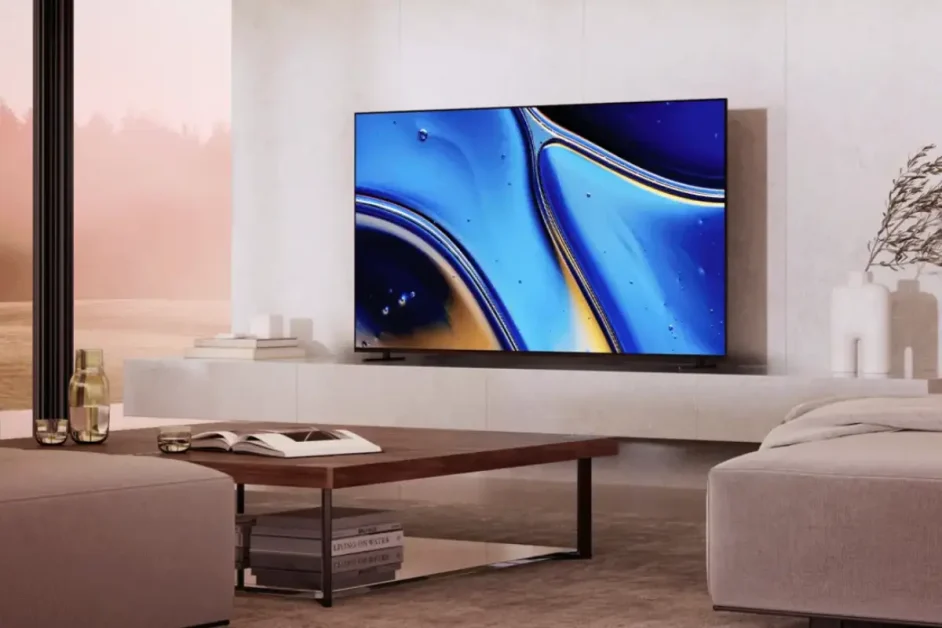
In the mogul world of TV enthusiasts, Sony is consistently ranked as the brand for those who want to buy once, cry once.
The Longevity Factor: Processing & Heat Management
Sony consistently ranks at or near the top in reliability surveys. Its Google TV platform receives consistent software support, and Sony’s image processing hardware tends to age gracefully, meaning your TV won’t feel outdated as quickly. Sony OLED and BRAVIA XR models are engineered with longevity in mind. The trade-off is price. Sony TVs cost more upfront, but owners frequently report using them well past the 8 to 10 year mark without major issues. If reliability is your top priority and budget isn’t a hard constraint, Sony wins this round.
Sony’s secret to longevity isn’t just the panel; it’s the XR Backlight Master Drive. While other brands push their LEDs to the absolute limit to win “brightness wars,” Sony’s processing is more conservative and precise. By managing heat more efficiently, Sony reduces the thermal stress on the internal power boards, the #1 cause of TV failure.
- Expert Verdict: Sony Bravia models available in 2026 (like the Bravia 9) utilize industrial-grade capacitors and better ventilation than budget competitors.
- The Nerd’s Warning: Sony’s premium build comes with a premium price. You are often paying 20–30% more for the same panel technology found in an LG or Samsung, but that premium is essentially a “durability tax.”
2. LG: The OLED Endurance Leader
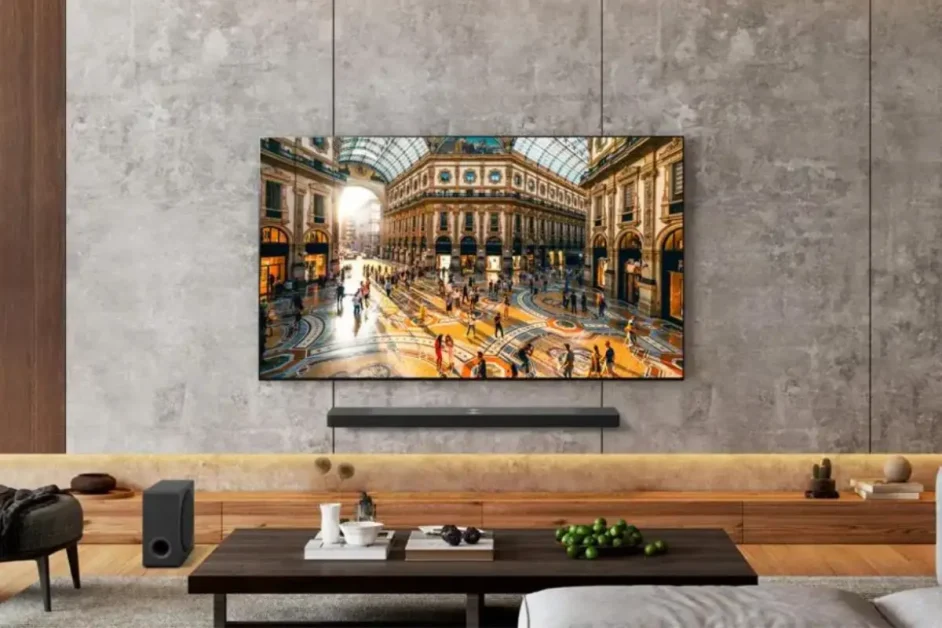
LG essentially invented the consumer OLED TV market, and its panels are genuinely stunning. But longevity talk around LG always circles back to burn-in. Static images displayed for long periods can permanently damage OLED screens.
For a long time, LG was seen as a risky choice due to early OLED burn-in issues. However, by 2026, LG has effectively flipped the script. LG has improved this significantly with newer pixel-refreshing technology, and for most average viewers watching mixed content, burn-in is rarely a real-world problem. LG’s webOS platform also receives solid update support. Expect 7 to 9 years of solid performance if you use it sensibly.
The Longevity Factor: The “Evo” Evolution
LG’s OLED evo technology, featured in the C5 and G5 series, uses a new luminous material that is much more resistant to heat degradation. Furthermore, LG is the only manufacturer that has consistently offered a 5-year limited panel warranty on its flagship “G” series models. This is a massive signal of confidence to the consumer.
- Expert Verdict: Independent testing (like the 18,000-hour stress tests conducted by RTINGS) has shown that LG’s modern OLEDs are outlasting many backlit LED TVs. Why? Because LED backlights eventually burn out, whereas LG’s self-emissive pixels are now rated for up to 100,000 hours of use.
- The Nerd’s Warning: While the panels are robust, LG’s webOS software can become sluggish after 3–4 years of updates. To make an LG last, we recommend using an external streaming stick (like an Apple TV 4K or Shield Pro) after the second year.
3. Samsung: High Innovation, Variable Reliability

Samsung dominates global TV sales for good reason. Its QLED and Neo QLED panels are well-built, and the Tizen OS gets regular updates. While it may be the global leader in TV sales, from a nerd perspective, their reliability record is a bit more polarized.
The caveat? Samsung’s OLED lineup is newer and has less long-term data behind it. Its older LCD/LED models, though, have a strong reliability track record backed by years of consumer reports and repair data. If you want proven durability, Samsung’s QLED line is a safe bet. These TVs comfortably hit the 7-year mark.
The Longevity Factor: Technical Complexity
Samsung TVs are feature-dense. Between the One Connect Box (which moves all the ports to an external unit) and their aggressive AI upscaling, there are simply more points of failure in a high-end Samsung.
- Expert Verdict: Consumer surveys often show that while Samsung QLEDs are incredibly durable in terms of brightness, they suffer from more frequent software glitches and power-supply issues than Sony.
- The Nerd’s Warning: Samsung’s customer service has faced criticism in 2025 and 2026 for being difficult regarding warranty claims on clearance items. If you buy a Samsung, we strongly recommend purchasing it from a retailer with a known-good protection plan, like Costco (which often extends the warranty to 5 years automatically).
4. The Data: Common Failure Points by Brand
| Brand | Most Common Failure (3–5 Years) | Software Support Span |
| Sony | Internal WiFi/Bluetooth modules | 5–7 Years (Google TV) |
| LG | Pixel “dead zones” (Rare in 2026) | 4–5 Years (webOS) |
| Samsung | Power supply / “Boot-looping” | 4–5 Years (Tizen) |
5. Tips to Make Your TV Last 10+ Years
Regardless of the brand you choose, how you treat your TV determines its lifespan. Here is the Deal Nerd Protocol for TV longevity:
- Lower the Backlight: Most TVs ship in “Store Demo” or “Vivid” mode, which runs the LEDs at 100% capacity. Dropping your backlight/brightness to 70% can double the life of the LEDs.
- Use a High-Quality Surge Protector: TVs are essentially giant computers. A “Monster” style power conditioner or a reputable surge protector prevents “dirty electricity” from slowly frying your mainboard.
- Ensure Ventilation: Never “flush mount” a TV into a tight cabinet without at least 2 inches of space for air to circulate. Heat is the silent killer of all electronics.
- Avoid Static Content: Even on non-OLEDs, leaving a news channel or a PC desktop on for 12 hours a day can cause “image retention.”
- Clean with Care: Never use window cleaner (like Windex) on a modern screen. The ammonia will eat through the anti-reflective coating. Use only a dry microfiber cloth or a specific “screen-safe” solution.
The Final Verdict: Who Wins?
Sony leads on long-term reliability. Samsung wins on value and ecosystem. LG wins on picture quality per dollar, especially right now. None of them are bad choices. The worst TV is the one you bought without comparing prices first.
- If you want the best big screen durability: Samsung. Their Neo QLEDs (Mini-LED) are tanks and can handle being left on all day in a bright house.
- If you want the most industrial build: Sony. They remain the gold standard for component quality and motion processing.
- If you want the best warranty/support: LG. Specifically the “G” series (G5/G6) for their 5-year panel guarantee.